
The Convergence of Lifestyle, Community, and Luxury in China: Implications for Jewellery Marketing and Retail Trends
The Convergence of Lifestyle, Community, and Luxury in China: Implications for Jewellery Marketing and Retail Trends
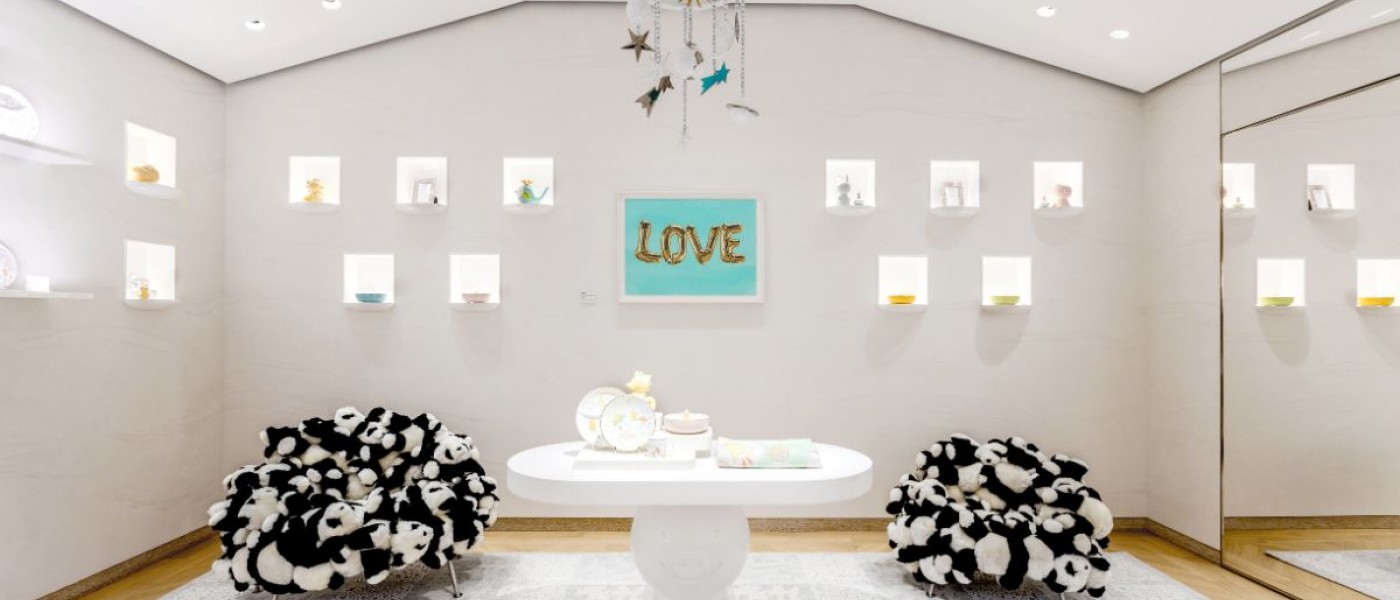
Credits: Tiffany “Baby Center” Flagship Store in Chengdu
Article by Helen Mao, Jewellery Curator & Advisor, as seen in The Jewellery Trendbook 2027+ by Trendvision Jewellery + Forecasting.

Credits: Helen Mao portrait
Luxury is shifting from status to sensibility. In China, a new paradigm is emerging where lifestyle, community, and emotional well-being redefine consumer engagement. As un- certainty becomes a permanent backdrop, brands are pivoting from exclusivity to immersive joy—creating experiences that soothe, uplift, and inspire. This transformation is at the heart of the Joy-Economy, where high-end consumers, especially Millennials and Gen Z, seek products and services that offer emotional resonance, ethical values, and personal meaning. Jewellery, once a static symbol of wealth, is becoming part of this ecosystem—blending physical craftsmanship with digital innovation, and connecting personal adornment to shared cultural experiences. When we experience joy, our brains release neurotransmitters that foster happiness and well-being. Dopamine, the “feel-good” neurotransmitter, provides pleasure and motivation. Serotonin regulates mood and social behaviour, while endorphins act as natural painkillers, producing euphoria. Oxytocin, the “love hormone,” enhances emotional bonding and trust. Together, these chemicals create a powerful buffer against stress and uncertainty.
In the realm of luxury, companies are redefining the brand experience to create memorable and immersive environments. Gucci’s “Gucci Cosmos” itinerant exhibition is a prime example, blending fashion, art, and culture to create a multi-sensory experience that captivates and delights. Similarly, Cartier’s “Time Unlimited” exhibition, which has toured cities like Seoul, Beijing, and Miami, offers an interactive exploration of the brand’s watchmaking heritage, enveloping visitors in a narrative that is both historical and deeply personal. High-end consumers demand personalized products and experiences. The luxury industry, ranging from jewellery and fashion to automotive and hospitality, offers bespoke services that allow customers to co-create items, ensuring each product is as unique as its owner. This trend extends to digital platforms as well, with AI-driven personalization becoming more prevalent. The use of sophisticated algorithms to provide tailored product recommendations exemplifies how technology can enhance the luxury shopping experience by catering to individual tastes and preferences.

Credits: Loro Piana celebrates centenary with stunning exhibition in Shanghai
Escapism finds a perfect platform in augmented and virtual reality, which are revolutionizing the luxury market, including jewellery. Powered by groundbreaking technology, artificial intelligence is transforming how we consume, conceive, design, and produce products. Does this mean we’ll lose our humanity? The opposite may be true, for humans are attracted to imperfection, which reminds them of their true nature. Celebrated music producer Rick Ru-bin says that an artist’s work should showcase vulnerability and imperfections. Missing this, he warns, could lead to irrelevance in the age of AI. Consumer preferences are shifting towards experiences that offer emotional fulfillment and a sense of escapism. This is particularly evident among Millennials and Gen Z, who view luxury as a state of mind rather than a mere price point. These consumers are drawn to brands that offer authenticity, personalization, and ethical practices. Ethical gold, for example, has become an unmissable element.